


Introduction
Today's technology roundup covers a diverse set of developments spanning artificial intelligence evaluation, hardware design, advanced Linux booting techniques, sustainable computing principles, and even a cultural tech curiosity from the Vatican. These stories highlight ongoing innovation in software, hardware, and system architecture that impact developers, system administrators, and technology enthusiasts alike.
Evaluating AI Agent Skills: agent-skills-eval
One of the intriguing new tools introduced is agent-skills-eval, an open-source framework designed to test whether incorporating specific skills into AI agents improves their output quality. As AI agents become more prevalent in automating tasks, having robust evaluation methods for their capabilities is critical. This project provides a structured way to benchmark agent skills, helping developers identify which abilities contribute most effectively to performance enhancements.
The tool’s relevance is underscored by the growing complexity of AI agents that blend multiple skill sets, such as natural language understanding, reasoning, and domain-specific knowledge. By isolating and testing these skills, researchers and engineers can optimize agent design and deployment strategies.
Building the TD4 4-Bit CPU: A Retro Hardware Endeavor
On the hardware front, the TD4 4-Bit CPU project offers a fascinating dive into CPU design from the ground up. This blog documents the process of creating a simple 4-bit central processing unit, exploring fundamental concepts in computer architecture and digital logic.
While 4-bit CPUs are primitive by modern standards, building one serves educational purposes and deepens understanding of how processors execute instructions at the most basic level. The project also appeals to hobbyists interested in retro computing and hardware design, showing that even in an era dominated by multi-core 64-bit processors, foundational learning remains valuable.
Diskless Linux Boot Using ZFS, iSCSI, and PXE
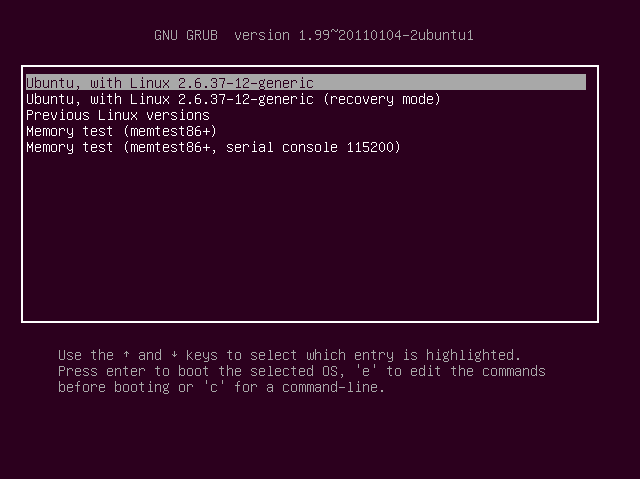
System administrators and infrastructure engineers will find the diskless Linux boot article particularly insightful. It details a method to boot Linux systems without local disks by leveraging ZFS for the root filesystem, iSCSI for block storage access, and PXE for network booting.
This approach offers numerous advantages: simplified hardware maintenance, improved security by centralizing storage, and easier system updates. ZFS’s robust data integrity features combined with network boot technologies enable scalable and resilient environments, especially valuable in data centers and cloud infrastructures.
Technical Highlights
ZFS: Provides advanced filesystem features like snapshots and checksumming.
iSCSI: Allows remote block-level storage access over IP networks.
PXE: Enables network booting of machines without local storage.
The article also discusses challenges such as network latency and configuration complexity, offering practical solutions to achieve reliable diskless boot setups.
Permacomputing Principles: Sustainable Computing for the Future
Another notable mention is the Permacomputing Principles initiative, which proposes a framework for sustainable and resilient computing. Inspired by permaculture concepts in agriculture, this approach advocates designing computing systems that are energy-efficient, durable, and ethically responsible.
In an era where data centers consume significant power and electronic waste is a growing concern, permacomputing principles encourage developers and organizations to rethink software and hardware lifecycles. Emphasizing longevity, repairability, and minimal environmental impact, this philosophy aligns with broader sustainability goals in technology.
The Vatican’s Latin Website: A Cultural Tech Intersection
In a unique cultural intersection, the Vatican’s website in Latin demonstrates how technology preserves and promotes heritage languages. This site offers official documents and resources entirely in Latin, reflecting the Vatican’s historical roots and commitment to tradition.
From a technology perspective, maintaining a multilingual website in a classical language poses interesting challenges in localization, content management, and user engagement, showcasing the versatility of modern web platforms.
Conclusion
These stories collectively highlight the breadth of innovation in the tech ecosystem—from AI skill evaluation frameworks and educational hardware projects to advanced system boot strategies and sustainable computing philosophies. They also remind us that technology often serves as a bridge between modern advancements and cultural heritage.